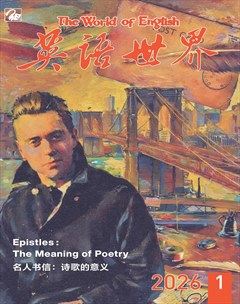


【导读】一个诗人的夭折
约翰·罗斯金(1819—1900)是英国维多利亚时代著名的作家、艺术家、艺术评论家,一生撰写了大量关于风景和建筑的文字。他早年也写过很多诗歌。11岁时,他的诗就见诸报端。在牛津大学读书期间,还曾获得过被誉为英国诗歌摇篮的奖项——纽迪盖特奖(Newdigate Prize)。这个奖项设立于1805年,每年由牛津大学英语系教授和知名诗人组成评审团进行评审,颁发给牛津大学本科学生中的最佳诗歌创作,并在学位授予典礼上公开朗诵。
1845年,26岁的罗斯金正在欧洲旅行,开始反思自己的生活,同时开始关注社会正义。这封信节选自7月10日他在意大利的帕尔马写给父亲的信件,解释为什么自己没有了写诗的冲动。他说自己进行诗歌创作的源泉已经枯竭了,原因是他认为要写出好的诗歌,必须要有丰富的人生经历,要能了解人间的疾苦,而他长期以来生活过于优越安逸,对真正的人世间了解很少。因此他纵有才华也无法写出好的诗歌。他在19世纪50年代末放弃了艺术批评,转而关注社会现实,关注点从艺术转向了社会正义和政治理论。
伴随着一个诗人的夭折,一位社会评论家诞生了。
Parma
帕尔马
July 10.
7月10日
... I am not surprised at the lines being so far inferior, but I do not think I have lost power. I have only lost the exciting circumstances. The life I lead is far too comfortable and regular, too luxurious, too hardening. I see nothing of human life, but waiters, doganiers, and beggars. I get into no scrapes, suffer no inconveniences, and am subject to no species of excitement except that arising from art, which I conceive to be too abstract in its nature to become productive of poetry, unless combined with experience of living passion. I don’t see how it is possible for a person who gets up at four, goes to bed at ten, eats ices when he is hot, beef when he is hungry, gets rid of all claims of charity by giving money which he hasn’t earned, and of those of compassion by treating all distress more as picturesque than as real—I don’t see how it is at all possible for such a person to write good poetry….Nevertheless I believe my mind has made great progress in many points since that poetical time. I perhaps could not—but I certainly would not, now write such things. I might write more tamely, but I think I should write better sense, and possibly if I were again under such morbid excitement, I might write as strongly, but with more manly meaning. I believe, however, the time for it has past.
……这些诗句现在看来水平不高,我对此并不惊讶,但我不觉得我已经丧失了写诗的能力。